
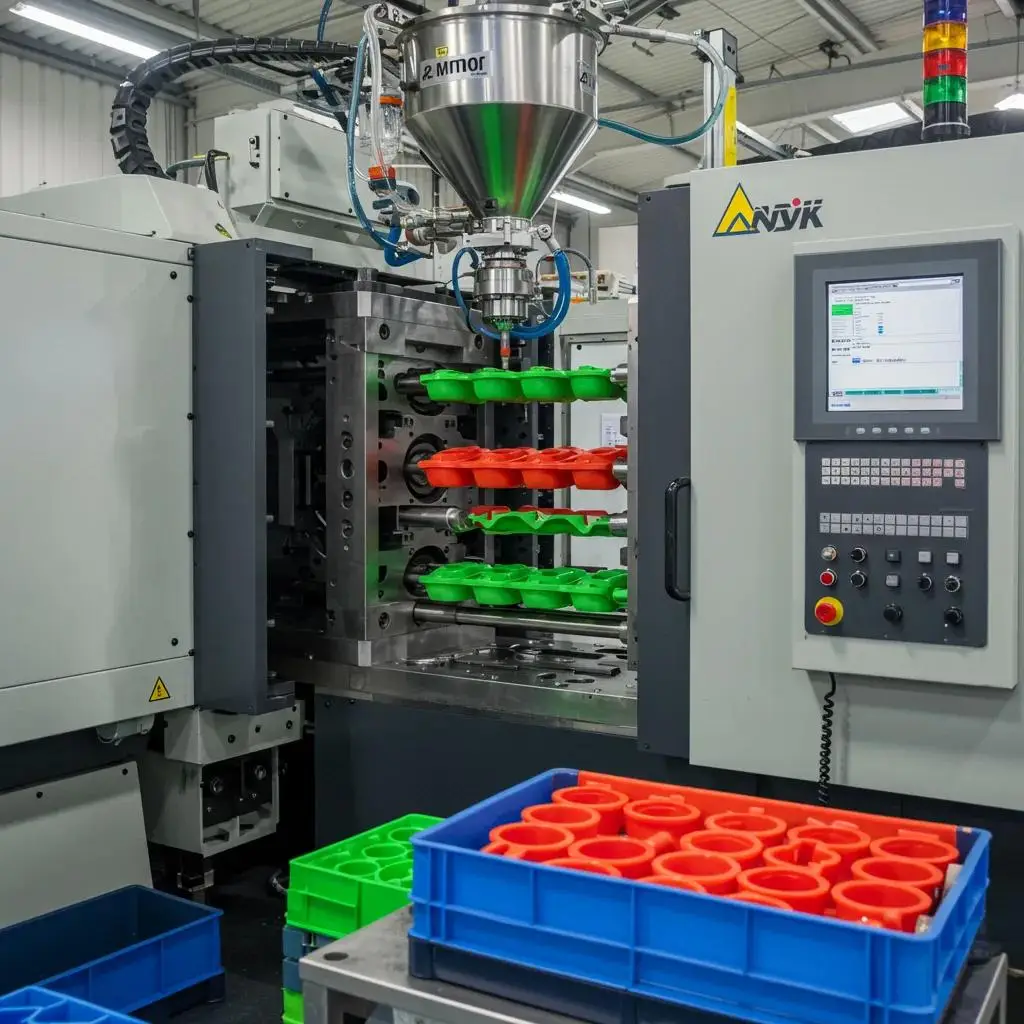
Rubber molding shapes raw materials into finished parts through heat and pressure, and manufacturers rely on it to produce seals, gaskets, and components for many industries. When quality control guides each step, the process runs with consistency, and defects may drop across production runs. Here is more information on the benefits of quality control in rubber molding services:
Optimized Molding Process
Quality control adds structure to each stage of molding. Inspectors check temperature settings, and they verify cure times before each batch moves forward. When a team monitors these variables closely, the output stays uniform from the first part to the last. Technicians track pressure readings, and they log any shifts during a run.
Dedicated Production Area
A dedicated production area separates rubber molding work from other operations, such as plastics. Staff control dust, temperature, and humidity in this space. When conditions stay stable, the rubber cures the way engineers intend, and each part meets its specification. Clean environments may help to reduce contamination risks.
Organized workspaces also support clear tracking. Operators label materials, and they store molds in set locations. Since everything has a place, teams find what they need quickly during a production run. This order supports steady output.
Regular maintenance of tools and equipment is needed to promote consistent product quality. Workers inspect machines daily to catch wear or damage early, potentially preventing delays. When teams prioritize maintenance and work proactively, they help sustain the precision and efficiency required for optimal production.
Minimized Material Waste
Careful quality control reduces the volume of scrapped material. Teams measure compounds precisely, and they cut only what a job requires. When measurements stay accurate, less rubber ends up as waste, and productivity may improve. Precision protects your assets.
Rubber molding uses several compounds, each suited to different applications. A quality-focused shop matches the right material to your part. Typical material options include:
- Rubber
- Neoprene
- Nitrile
- EPDM
- SBR
Selecting the correct compound cuts down on rejected parts. Engineers review the application, and they recommend a material that fits the load and environment. Since the right choice performs as expected, you avoid remaking parts that fail early. Smart selection helps to limit waste.
Enhanced Product Durability
Durability depends on consistent processing from start to finish. Inspectors test hardness, and they check for surface flaws on finished parts. When each unit passes these checks, the parts typically hold up better under stress and repeated use. Testing confirms strength.
Material quality shapes how long a part lasts. Teams verify that compounds meet the stated grade before molding begins. When verified materials resist wear and temperature swings, your components can perform reliably in the field. Steady checks support long service life.
Explore Rubber Molding Options
Quality control brings measurable value to rubber molding through tighter processes and less waste. A dedicated production area helps to keep conditions stable, and careful material selection may reduce rejected parts. When these practices work together, you receive components built to clear standards. Take time to review your current molding needs and material requirements, reach out to a rubber molding provider, and ask how their quality control practices fit your project.