
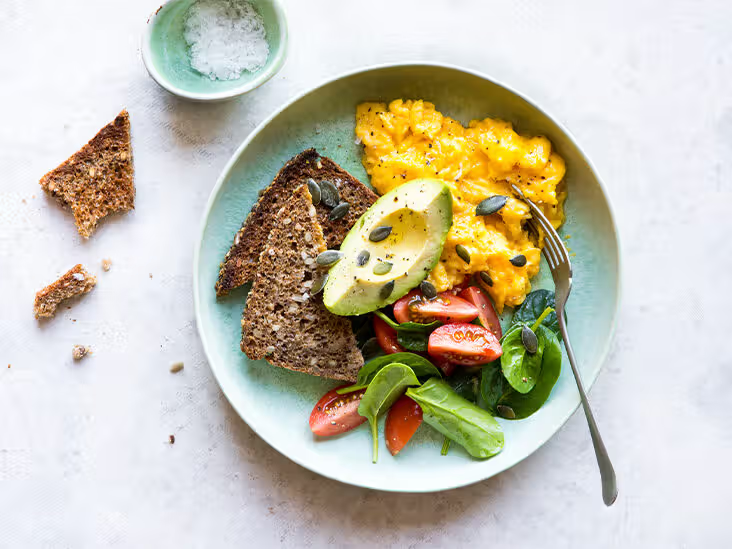
Losing weight at home does not require expensive programs, fancy supplements, or extreme dieting. What truly works is a balanced, realistic diet plan that fits into your daily life. The best diet plan for weight loss at home is one that helps you eat healthier, control portions, and stay consistent without feeling deprived.
This article explains a simple and effective diet plan in easy words, so you can follow it comfortably and achieve long-term results.
Understanding Weight Loss in Simple Terms
Before starting any diet plan, it’s important to understand how weight loss works.
Your body gains weight when you eat more calories than you burn. To lose weight, you need to eat fewer calories than your body uses. This is called a calorie deficit.
But this doesn’t mean starving yourself. Instead, you should:
- Eat the right foods
- Control portion sizes
- Stay active
A healthy diet plan focuses on nutrition, not just reducing food.
Key Principles of the Best Diet Plan at Home
1. Eat Balanced Meals
Every meal should include:
- Protein (eggs, chicken, lentils)
- Healthy carbs (brown rice, whole wheat roti)
- Healthy fats (nuts, seeds, olive oil)
- Fiber (vegetables, fruits)
This combination keeps you full and prevents overeating.
2. Control Portion Sizes
Even healthy food can cause weight gain if eaten in large amounts.
Simple tips:
- Use smaller plates
- Avoid second servings
- Eat slowly
Your brain needs time to feel full, so eating slowly helps you eat less.
3. Drink More Water
Water helps in digestion and reduces hunger.
- Drink 1–2 glasses before meals
- Aim for 8–10 glasses daily
- Avoid sugary drinks
Sometimes, thirst feels like hunger.
4. Avoid Processed Foods
Foods like chips, fast food, sugary snacks, and soft drinks are high in calories and low in nutrition.
Replace them with:
- Fruits instead of sweets
- Homemade meals instead of fast food
5. Eat at the Right Time
Try to eat meals at consistent times daily.
- Don’t skip breakfast
- Avoid late-night eating
- Eat dinner at least 2–3 hours before sleep
Simple Diet Plan for Weight Loss at Home
Here is an easy daily diet plan you can follow:
Morning (After Waking Up)
- Warm water with lemon
- Or plain water
This helps start your metabolism.
Breakfast (Healthy Start)
Choose one:
- 2 boiled eggs + 1 slice whole wheat bread
- Oatmeal with milk and fruit
- Vegetable omelette
Breakfast gives energy and prevents overeating later.
Mid-Morning Snack
- 1 fruit (apple, banana, orange)
- Or a handful of nuts
This keeps your energy stable.
Lunch (Balanced Meal)
- 1–2 whole wheat roti or small portion of rice
- Vegetable curry
- Dal or chicken
- Salad (cucumber, carrot, lettuce)
Lunch should be filling but not heavy.
Evening Snack
- Green tea or black tea (without sugar)
- Roasted chickpeas or peanuts
Avoid fried snacks like samosas or chips.
Dinner (Light Meal)
- Grilled chicken or lentils
- Steamed vegetables
- 1 roti (optional)
Keep dinner light and easy to digest.
Before Bed (Optional)
- A glass of warm milk
Healthy Foods to Include
Here are some foods that support weight loss:
Protein-Rich Foods
- Eggs
- Chicken
- Fish
- Lentils
Protein keeps you full and helps build muscles.
Fiber-Rich Foods
- Vegetables (spinach, broccoli, carrots)
- Fruits (apple, berries)
Fiber improves digestion and reduces hunger.
Healthy Fats
- Nuts
- Seeds
- Olive oil
These fats are good for your body when eaten in small amounts.
Foods to Avoid
Try to limit or avoid:
- Sugary drinks
- Fast food
- Fried snacks
- White bread
- Excess sweets
These foods increase calories without giving proper nutrition.
Importance of Physical Activity
Diet alone is not enough. You should also stay active.
Simple activities at home:
- Walking
- Skipping rope
- Home workouts
- Yoga
Even 30 minutes a day can make a big difference.
Tips for Staying Consistent
Consistency is the key to weight loss success.
1. Set Realistic Goals
Don’t try to lose too much weight quickly. Aim for slow and steady progress.
2. Don’t Skip Meals
Skipping meals can lead to overeating later.
3. Get Enough Sleep
Lack of sleep increases hunger and cravings.
Try to sleep 7–8 hours daily.
4. Stay Positive
Weight loss takes time. Stay patient and don’t give up.
5. Track Your Progress
Check your weight weekly and notice changes in your body and energy levels.
Common Mistakes to Avoid
- Starving yourself
- Following extreme diets
- Eating too many “healthy” snacks
- Not drinking enough water
- Giving up too soon
Avoiding these mistakes will help you stay on the right track.
Benefits of Following a Home Diet Plan
- Saves money
- Easy to follow
- Uses natural foods
- Long-term results
- Improves overall health
You don’t need a gym or expensive diet programs to lose weight.
Conclusion
The best diet plan for weight loss at home is simple, balanced, and realistic. It focuses on eating healthy foods, controlling portions, and staying consistent. You don’t need to make big changes overnight. Start small, stay patient, and build healthy habits over time.
Remember, weight loss is not just about looking good—it’s about feeling healthier and more confident in your daily life.
FAQs
1. What is the best diet for quick weight loss at home?
A balanced diet with fewer calories, more protein, and plenty of vegetables is best. Avoid extreme diets and focus on consistency.
2. Can I lose weight without exercise?
Yes, but combining diet with exercise gives faster and better results.
3. How much water should I drink daily?
You should drink around 8–10 glasses of water daily for better weight loss and health.
4. Is skipping meals good for weight loss?
No, skipping meals can slow metabolism and cause overeating later.
5. How long does it take to see results?
You may start seeing changes in 2–4 weeks if you follow the plan consistently.