
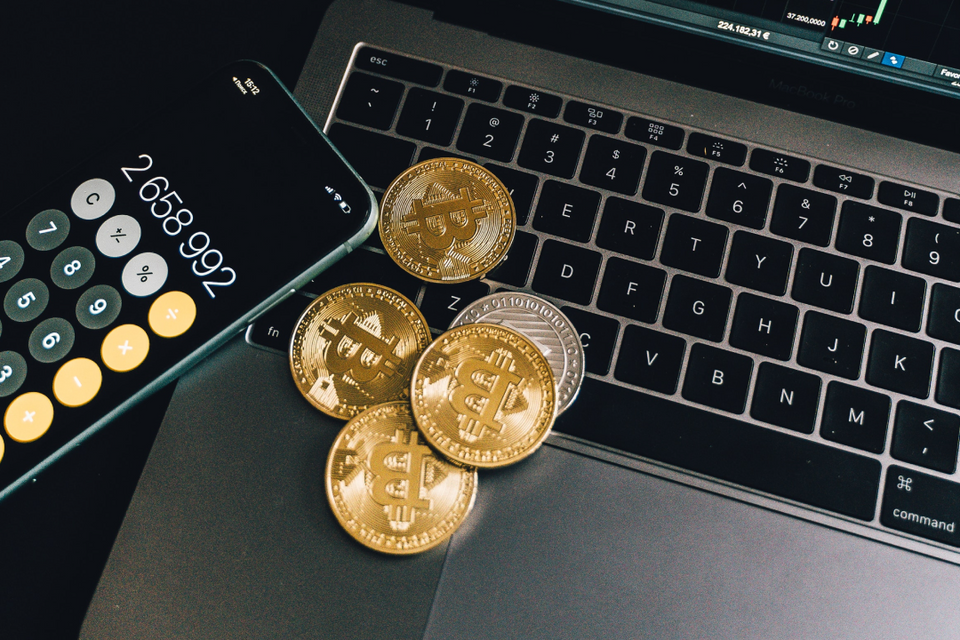
Cryptocurrency trading has become one of the most talked-about ways to earn money online. Many people are attracted to it because of its fast-moving market and the potential to make profits. But for beginners, it can feel confusing, risky, and even overwhelming.
If you’re new and wondering how to start crypto trading, don’t worry. This guide will walk you through everything in a simple, human way—no complicated jargon, just clear steps you can follow.
What is Crypto Trading?
Crypto trading means buying and selling digital currencies like Bitcoin, Ethereum, and others to make a profit. Just like stock trading, the goal is to buy at a lower price and sell at a higher price.
The main difference is that cryptocurrency markets are open 24/7. This means prices can change at any time—day or night.
Why Do People Trade Cryptocurrency?
People trade crypto for a few main reasons:
- Profit potential: Prices can rise quickly, offering opportunities to earn.
- Flexibility: You can trade anytime, from anywhere.
- Low entry barrier: You can start with a small amount of money.
However, it’s important to remember that crypto trading also comes with risks. Prices can drop just as fast as they rise.
Step-by-Step Guide to Start Crypto Trading
1. Learn the Basics First
Before putting your money into crypto, take time to understand how it works. Learn about:
- What cryptocurrency is
- How blockchain works
- What affects crypto prices
You don’t need to become an expert overnight, but having basic knowledge will protect you from common mistakes.
2. Choose a Reliable Crypto Exchange
A crypto exchange is a platform where you buy and sell cryptocurrencies. As a beginner, choose an exchange that is:
- Easy to use
- Secure
- Well-known
- Has good customer support
After choosing one, create your account and complete the verification process.
3. Set Up a Secure Wallet
A crypto wallet is where your digital coins are stored. There are two main types:
- Hot wallets: Connected to the internet (easy but less secure)
- Cold wallets: Offline storage (more secure)
For beginners, starting with a simple wallet is fine, but always prioritize security.
4. Start with a Small Investment
One of the biggest beginner mistakes is investing too much money at the start. Instead:
- Begin with a small amount you can afford to lose
- Treat it as a learning experience
Crypto trading is not a “get rich quick” method. It requires patience and discipline.
5. Understand Different Types of Trading
There are several ways to trade crypto:
1. Day Trading
Buying and selling within the same day. It requires time and quick decisions.
2. Swing Trading
Holding a coin for days or weeks to take advantage of price swings.
3. Long-Term Investing (HODL)
Buying and holding for months or years.
Beginners often find swing trading or long-term investing easier than day trading.
6. Learn Basic Market Analysis
To trade smartly, you need to understand the market.
Technical Analysis (Charts)
- Looks at price patterns and trends
- Helps predict future movement
Fundamental Analysis
- Looks at the value and purpose of a coin
- Checks news, updates, and project strength
You don’t need to master everything, but learning the basics helps you make better decisions.
7. Manage Your Risk
Risk management is one of the most important parts of trading.
Here are simple rules:
- Never invest all your money in one coin
- Use stop-loss (limit your losses)
- Don’t trade with emotions
Always remember: protecting your money is more important than making quick profits.
8. Avoid Emotional Trading
Crypto prices move fast, and emotions can take over. Beginners often:
- Buy when prices are high (fear of missing out)
- Sell when prices drop (panic selling)
Try to stay calm and follow a plan. Successful traders make decisions based on logic, not emotions.
9. Keep Learning and Practicing
Crypto trading is not something you master in a day. The market keeps changing, so you should:
- Follow news and trends
- Watch educational videos
- Practice with small trades
Over time, your confidence and skills will improve.
Common Mistakes Beginners Should Avoid
Starting crypto trading without guidance can lead to mistakes. Here are some to watch out for:
- Investing more than you can afford to lose
- Trusting random tips from social media
- Ignoring security (like weak passwords)
- Trading without a strategy
- Expecting instant profits
Avoiding these mistakes can save you money and stress.
Tips for Success in Crypto Trading
Here are a few simple tips that can help you grow:
- Be patient—profits take time
- Stick to your strategy
- Keep your emotions under control
- Diversify your investments
- Always do your own research
Consistency matters more than quick wins.
Is Crypto Trading Safe for Beginners?
Crypto trading can be safe if you approach it carefully. The risks are real, but they can be managed with proper knowledge and discipline.
Start small, learn continuously, and avoid risky decisions. Over time, you’ll understand how the market works and become more confident.
Final Thoughts
Starting crypto trading as a beginner may seem challenging, but it becomes easier once you understand the basics. The key is to take small steps, learn from your mistakes, and stay consistent.
Don’t rush into it expecting overnight success. Instead, focus on building your knowledge and experience.
Crypto trading is a journey—and like any journey, patience and learning will take you far.
FAQs
1. How much money do I need to start crypto trading?
You can start with as little as $10–$50. It’s best to begin small and increase your investment as you gain experience.
2. Is crypto trading risky for beginners?
Yes, it can be risky, especially without knowledge. However, you can reduce risk by learning, starting small, and using proper strategies.
3. Which cryptocurrency is best for beginners?
Popular coins like Bitcoin and Ethereum are often considered safer for beginners because they are more stable than smaller coins.
4. Can I trade crypto on my phone?
Yes, most exchanges offer mobile apps that allow you to trade anytime, anywhere.
5. How long does it take to become a good trader?
It depends on how much you learn and practice. Some people take months, while others take years. Consistency is key.